American Flag Vietnam Veteran Design: A Legacy in Pixels and Print
There are designs that simply look good, and then there are designs that carry weight. An American Flag Vietnam Veteran Design isn't just a graphic; it's a narrative, a tribute rendered in red, white, and blue, often infused with the gritty texture of history itself. For designers, creators, and entrepreneurs, tapping into this visual language means connecting with deep-seated themes of patriotism, sacrifice, and remembrance. It's a powerful tool, but using it effectively requires more than just slapping a flag on a t-shirt. It requires understanding the emotional resonance and applying it with respect and skill.
Understanding the Visual Language of Patriotism
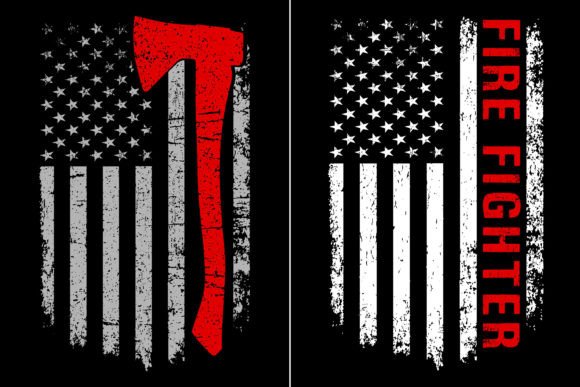
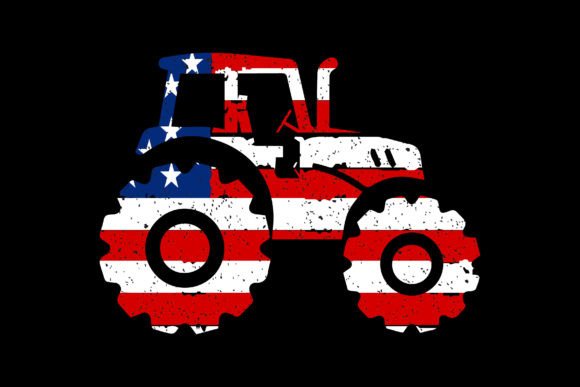
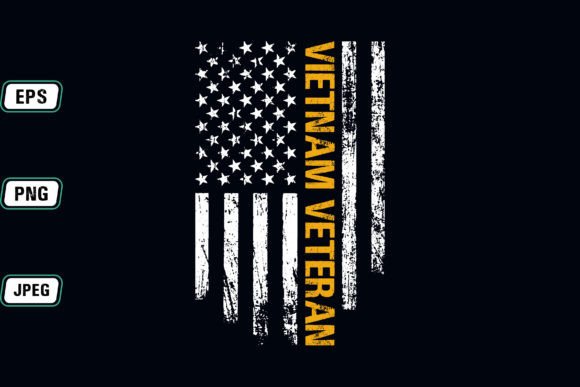
What sets this design style apart is its layered meaning. It's not just the stars and stripes; it's the integration of elements that speak to a specific chapter of American history. You'll often see the flag weathered, distressed, or presented in a vintage vector art style, giving it a timeless, grunge aesthetic. This texture tells a story of endurance. Paired with symbolic silhouettes—a soldier's profile, a helicopter, dog tags, or a solemn helmet—it transforms a patriotic symbol into a specific memorial. The color palette is typically bold and unambiguous: the deep blue of the canton, the stark white of the stars, and the vibrant red of the stripes, sometimes muted with a vintage filter to enhance its historical feel. This isn't a sleek, modern logo; it's a graphic that feels earned, making it perfect for projects that need to convey authenticity and profound respect.
From Memorial Day to Merchandise: Practical Applications
The versatility of a well-crafted American Flag Vietnam Veteran Design allows it to serve a wide array of creative and commercial projects. Its strong visual identity makes it ideal for branding organizations, veteran support groups, or patriotic businesses that want to establish immediate trust and recognition. Think about a logo for a local VFW chapter, a memorial park foundation, or a veteran-owned coffee brand—the design instantly communicates the core mission.
Beyond logos, its applications are extensive:
- Print & Packaging: Imagine a craft beer label for a special 4th of July brew, a poster for a Memorial Day parade, or packaging for a line of artisanal hot sauces with a patriotic theme. The grunge vector art graphic adds a layer of rugged authenticity.
- Digital Presence: For websites and blogs covering military history, veteran affairs, or patriotic holidays, this design style can be used in hero banners, section dividers, or as a background texture to create a cohesive and engaging visual experience. Social media graphics for Veterans Day or the 4th of July gain immediate emotional impact.
- Apparel & Merchandise: This is where the design truly shines. A vintage Christmas background featuring a subtle, distressed flag can make a unique holiday tee. The design translates powerfully to t-shirts, hats, and sweatshirts, especially when combined with impactful typography. It’s a classic for a reason—it resonates deeply with its audience.
- Editorial & Marketing: Use it in newsletters, digital invitations for patriotic events, or as part of a marketing campaign for a sale honoring veterans. The key is using it as a central, respected graphic rather than a mere decorative flourish.
Pairing Typography with a Powerful Symbol
Choosing the right font to accompany such a significant graphic is crucial. The typography should complement, not compete with, the design's inherent gravity. A strong, no-nonsense sans serif font like a bold grotesque or a sturdy slab serif can echo the military's discipline and clarity. For a more historical or traditional feel, a classic serif font with sharp details can work beautifully.
Avoid overly playful, whimsical, or overly delicate script fonts unless you are deliberately creating a stark contrast for a specific artistic effect. The goal is visual consistency and professional presentation. When pairing, test the legibility at various sizes. The font used for a headline on a poster needs to be readable from a distance, while body text for a blog post must be comfortable for screen reading. Often, using a single, versatile typeface family with multiple weights (like regular, bold, and italic) is the safest and most effective way to maintain a clean, unified brand identity across all materials, from a tiny favicon to a large-format print.
Executing with Integrity and Skill
Working with a design that carries historical and emotional weight comes with a responsibility to execute it thoughtfully. First, always consider your audience and the context. Using a Memorial Day-themed graphic for a lighthearted summer sale might feel dissonant and disrespectful. The application should align with the design's solemn nature.
From a technical standpoint, if you're using a pre-made vector art graphic, ensure it's high-quality and scalable. A pixelated or poorly drawn flag undermines the entire message. Pay attention to the details in the distressing and textures—they should look authentic, not like a cheap filter. When incorporating text, leave ample breathing room around the graphic. Let the powerful imagery stand out without being crowded.
Finally, and this cannot be overstated, review your commercial licensing. If you're downloading a design for a client project, merchandise for sale, or a large-scale marketing campaign, you must have the proper license. Using a design without the correct rights is not only unethical but can lead to serious legal consequences. Respect the creator's work and protect your own project by understanding the terms before you begin.
By approaching the American Flag Vietnam Veteran Design with the respect it deserves and the skill it requires, you can create work that is not only visually striking but also deeply meaningful. It's a powerful design asset that, when used correctly, can elevate a project from merely looking good to genuinely connecting with its audience on a fundamental level.